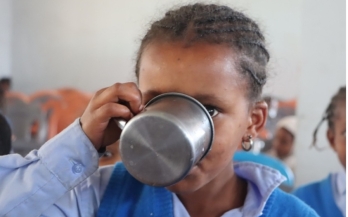
A child’s diet is central to their long-term development, health, and well-being. For children, access to healthy diets can be instrumental for doing well in school, and ultimately shapes a child’s ability to attain a dignified, productive livelihood and decent quality of life in the future.
Food choices play a dual role in shaping both human health and environmental sustainability. At the individual level, diets that lack diversity, fall short of essential nutrients, contain excessive amounts of foods high in sugar, unhealthy fats, and salt, or fail to meet food safety standards, and can have serious negative consequences for health (Institute for Health Metrics and Evaluation, 2025; World Health Organization, n.d.). At the same time, the ways food is produced and consumed affect the environment, —contributing to land degradation, freshwater depletion, climate change, and biodiversity loss (Crippa et al., 2021; Tilman et al., 2017). These environmental impacts, in turn, influence which foods are available, accessible, and affordable, and can alter the nutrient density of crops (Beach et al., 2019; Smith & Myers, 2018), reinforcing this close connection between our food choices and the environment.
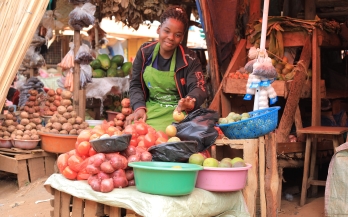
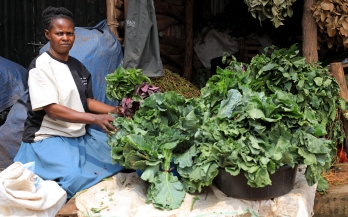
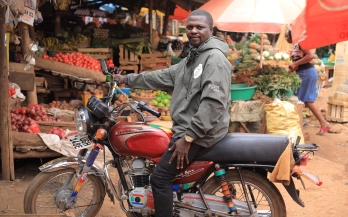
Vegetables For All Project – Uganda Impact Stories highlights how access to sustainable vegetable farming is transforming lives and communities in Uganda.
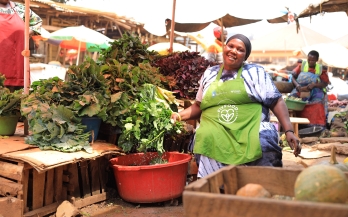
Vegetables For All Project – Uganda Impact Stories highlights how access to sustainable vegetable farming is transforming lives and communities in Uganda.
Vegetables For All Project – Uganda Impact Stories highlights how access to sustainable vegetable farming is transforming lives and communities in Uganda.
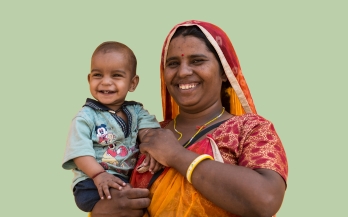
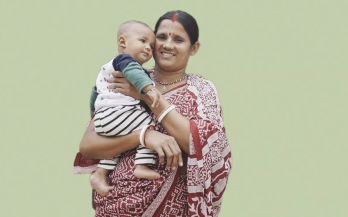
We are thrilled to share a major milestone in Bangladesh’s journey to improve maternal nutrition: more than 100 million Multiple Micronutrient Supplement (MMS) tablets, marketed under the brand name “FullCare”, have been sold since the launch of the country’s first locally produced UNIMMAP-formulated MMS.
Vegetables For All Project – Uganda Impact Stories highlights how access to sustainable vegetable farming is transforming lives and communities in Uganda.
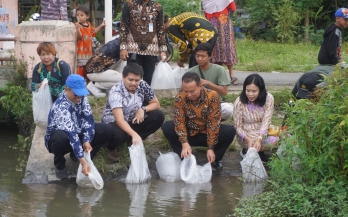
As an archipelagic nation, Indonesia ranks third globally in fisheries and aquaculture production. Despite these abundant, nutrient-rich aquatic resources, the country still faces significant malnutrition challenges stemming from insufficient intake of protein, micronutrients, and essential fatty acids. In 2021, the average per capita fish consumption in Indonesia reached 25.33 kg, notably lower than Malaysia (52.7 kg), a nation with fewer resources (KKP, World Population Review). This disparity highlights the gap between resources availability and dietary outcomes.
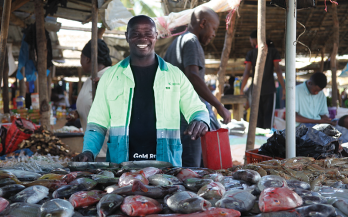
In the heart of Nampula, an old market is shifting into something new and so are the lives within it. What began as an ordinary field visit became an unexpected turning point, captured through a lens that witnessed far more than change in bricks and sand.
This photo story follows that quiet transformation: the people who have waited for it, the place that needed it, and the question that emerged and only later found its answer.
Billions of people worldwide are malnourished. Despite our best efforts, the cost of a healthy diet and food insecurity continue heading in the wrong direction. Without significant intervention, this crisis will persist—but we believe artificial intelligence (AI) represents a powerful new tool to help change that trajectory.